Overall Ranking: #20
New York’s ugly score of 55.01 might surprise those picturing skyscrapers and Adirondack lakes, but that’s exactly the problem: extremes collide. With 32.1 million acres, only 1.09% is protected as state or national parks, so natural beauty often competes with dense urban sprawl, highways, and industrial zones.
Landfills cover about 0.0146%, and each resident produces roughly 24.5 tons of trash, giving the state a middling eco-friendliness score of 71.59. Upstate offers genuine charm with mountains, forests, and lakes, but it’s easy to feel overshadowed by the visual chaos of cities like New York City, Buffalo, and Rochester. In short, New York’s beauty is undeniable, just sometimes buried under concrete and traffic.

Overall Ranking: #19
Kansas earns an ugly score of 56.29, a number that matches the state’s reputation for endless, flat landscapes…with a side of visual monotony. Spanning 49.5 million acres, only a tiny fraction is preserved as parks, leaving vast fields, highways, and industrial sites as the default scenery.
Landfills occupy a minuscule 0.0016%, so trash isn’t the problem, it’s the repetitive, sprawling farmland and the occasional uninspired town centers that make the scenery feel stale. Still, Kansas isn’t hopeless: sunsets over the plains can be spectacular, and hidden Flint Hills vistas offer rolling relief. But in general, the state’s beauty requires a patient eye and an appreciation for minimalism, or maybe just a good camera angle.

Overall Ranking: #18
Arkansas scores 57.27 on the ugly scale, a middling spot for a state that’s a mix of genuine beauty and visual chaos. With 34 million acres, only 0.18% is protected as state or national parks, meaning much of the natural charm, Ozark hills, rivers, and forests, competes with cluttered development, highways, and industrial sites.
Landfills cover just 0.0035%, so trash isn’t the main culprit; it’s more about inconsistent land use and urban sprawl. Arkansas has moments that are postcard-perfect, like the Buffalo National River, but those moments are often punctuated by less flattering roadside landscapes and neglected infrastructure. Think of it as a state of “hidden beauty, obvious interruptions.”

Overall Ranking: #17
Oklahoma’s ugly score of 58.77 lands it squarely in the “mediocre scenery” category. Covering 44.7 million acres, only 0.13% of the state is preserved in state or national parks, leaving endless stretches of farmland, highways, and oil fields as the dominant sights. Landfills take up a tiny 0.0034%, but the visual impact of sprawl, utility corridors, and aging towns outweighs the numbers.
Oklahoma has pockets of natural charm, the Wichita Mountains and parts of the prairie can be stunning, but they’re often overshadowed by the monotony of flat plains and boxy development. In short, Oklahoma’s beauty exists, but you’ll need a good map and a patient eye to find it.

Overall Ranking: #16
Texas scores 59.62 on the ugly scale, proving that bigger doesn’t automatically mean better-looking. The state sprawls across a massive 171.1 million acres, yet only 0.95% is protected as state or national parks, a surprisingly small share for a place that prides itself on wide-open spaces. Much of Texas is dominated by endless highways, strip development, oil infrastructure, and aggressively flat suburbia.
While landfill coverage is relatively low (0.0083%), the sheer scale of urban sprawl magnifies visual clutter, especially around major metros. Texas absolutely has beautiful regions, Hill Country and Big Bend come to mind, but long drives often mean miles of concrete, frontage roads, and forgettable landscapes in between.

Overall Ranking: #15
Kentucky’s ugly score of 59.81 reflects a state stuck between scenic potential and uneven execution. With 25.9 million acres, Kentucky actually protects a respectable 1.72% of its land as state and national parks, better than many neighbors. The problem is what fills the rest. Outside those protected pockets, strip malls, coal-scarred hillsides, and aging infrastructure dominate the view.
Landfills cover about 0.0086% of the state, not outrageous, but noticeable along rural highways and near small towns. Kentucky’s rolling hills and river valleys can be genuinely beautiful, yet inconsistent land-use planning and long-term industrial wear often dull the landscape. When it shines, it really shines, but too often, the shine is interrupted.

Overall Ranking: #14
Mississippi earns an ugly score of 60.47, and the issue isn’t its flat terrain, it’s how little is done to elevate it. Spanning 30.9 million acres, the state protects just 0.07% of its land as state or national parks, one of the lowest percentages in the country. That leaves vast areas dominated by agricultural monotony, worn-down towns, and highway-heavy development.
While landfill coverage is relatively low at 0.0035%, the lack of preserved green space makes even small-scale blight feel more noticeable. Mississippi has rivers, forests, and Delta landscapes with real character, but weak conservation and underinvestment often drain the scenery of its potential.

Overall Ranking: #13
West Virginia’s ugly score of 63.95 feels ironic, considering how naturally dramatic the state can be. Rolling mountains, deep forests, and winding rivers should be slam-dunk scenery, but reality often undercuts the view. Out of 15.5 million acres, only 0.95% is protected as state or national parks, leaving much of the landscape exposed to mining scars, decaying towns, and neglected infrastructure.
Landfills cover about 0.0067% of the state, modest on paper, yet their visual impact hits harder in narrow valleys and rural corridors. Add in abandoned industrial sites and underfunded upkeep, and West Virginia becomes a place where breathtaking vistas and bleak reminders of decline exist uncomfortably side by side.

Overall Ranking: #12
South Carolina lands an ugly score of 65.44, which feels harsh until you drive past the fifteenth identical roadside plaza in one afternoon. The state spans 20 million acres, yet only 0.53% is protected as state or national parks, surprisingly low for a place famous for its coastline and wetlands. Development often wins, especially inland, where sprawl, billboards, and aging infrastructure flatten the scenery.
About 0.0105% of the state is covered by landfills, and residents generate roughly 32.6 tons of trash per person, nudging its eco-friendliness score down to 49.67. South Carolina has undeniable natural assets, but uneven preservation and cluttered growth keep its beauty from fully shining.

Overall Ranking: #11
Alabama’s problem isn’t a lack of natural beauty, it’s how little of it is protected or thoughtfully planned. With an ugly score of 69.57, the state struggles with visual clutter, car-heavy development, and long stretches of forgettable sprawl. Despite covering 33.4 million acres, only 0.14% of Alabama’s land is designated as state or national parks, one of the lowest shares in the country.
That means forests, rivers, and hills often take a back seat to highways, power plants, and patchwork development. While landfill coverage is relatively low (0.0058%), poor land-use planning and weak preservation dilute the scenery. Alabama can be charming in pockets, but too often, those pockets are hidden behind billboards and asphalt.
Overall Ranking: #10
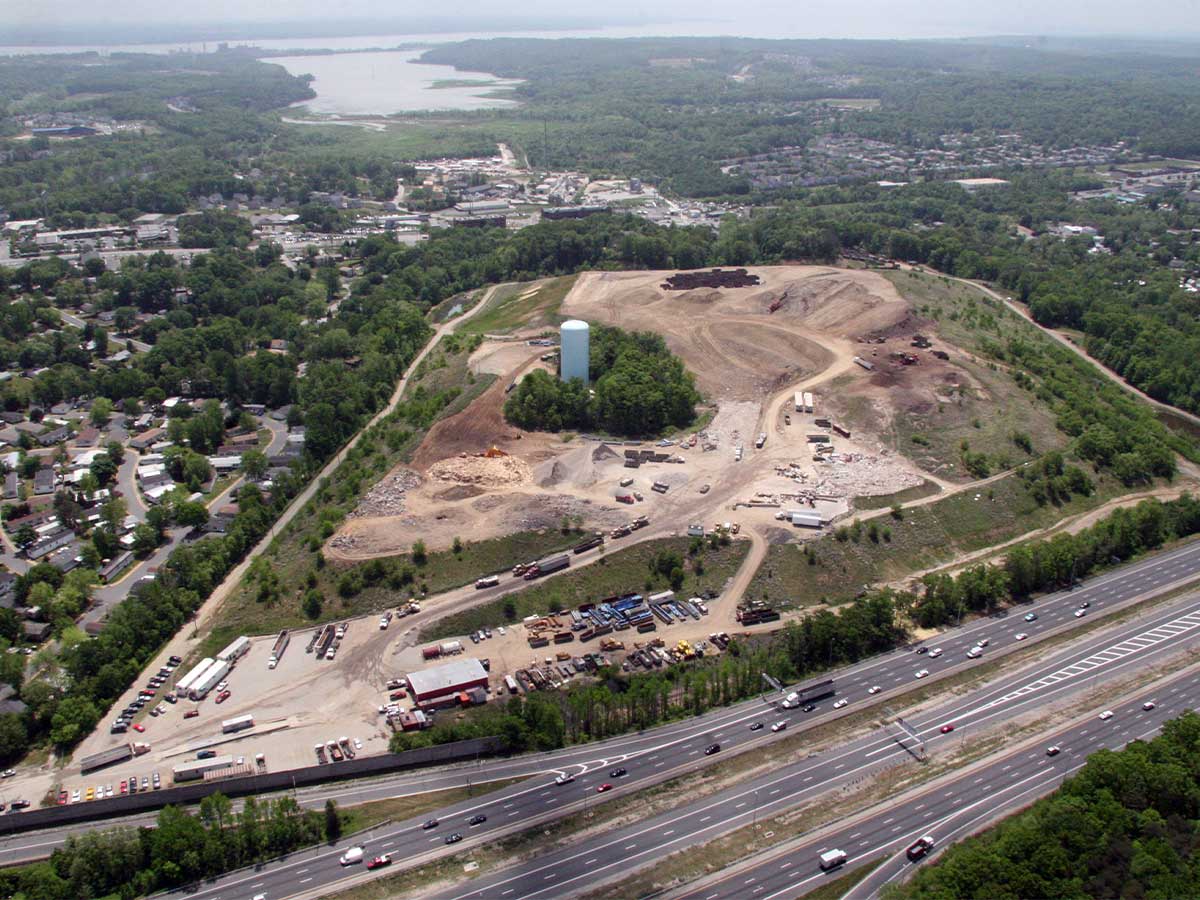
Virginia has some historic charm, but there's not a lot of perks besides that. Only 0.98% of its land is parkland, which isn’t much. With 74 landfills scattered across the state, it struggles to keep things green and clean.
Urban areas like Arlington dominate, leaving little space for natural beauty. Overdeveloped suburbs and highways slice through any scenic areas left, making them feel less peaceful. Many landscapes lack wow-factor, leaving Virginia feeling more average than stunning to most visitors.

Overall Ranking: #9
Illinois offers little for nature lovers, with only 1.39% of its land reserved for parks. The state has 95 landfills and ranks 14th in trash production, with nearly 39 tons of garbage per person cluttering its landscape.
Illinois struggles with its mix of overcrowded cities and bland suburbs. Places like Chicago are full of traffic, pollution, and crumbling buildings. The sprawl of strip malls and industrial areas makes it hard to find anything eye-catching.
Overall Ranking: #8
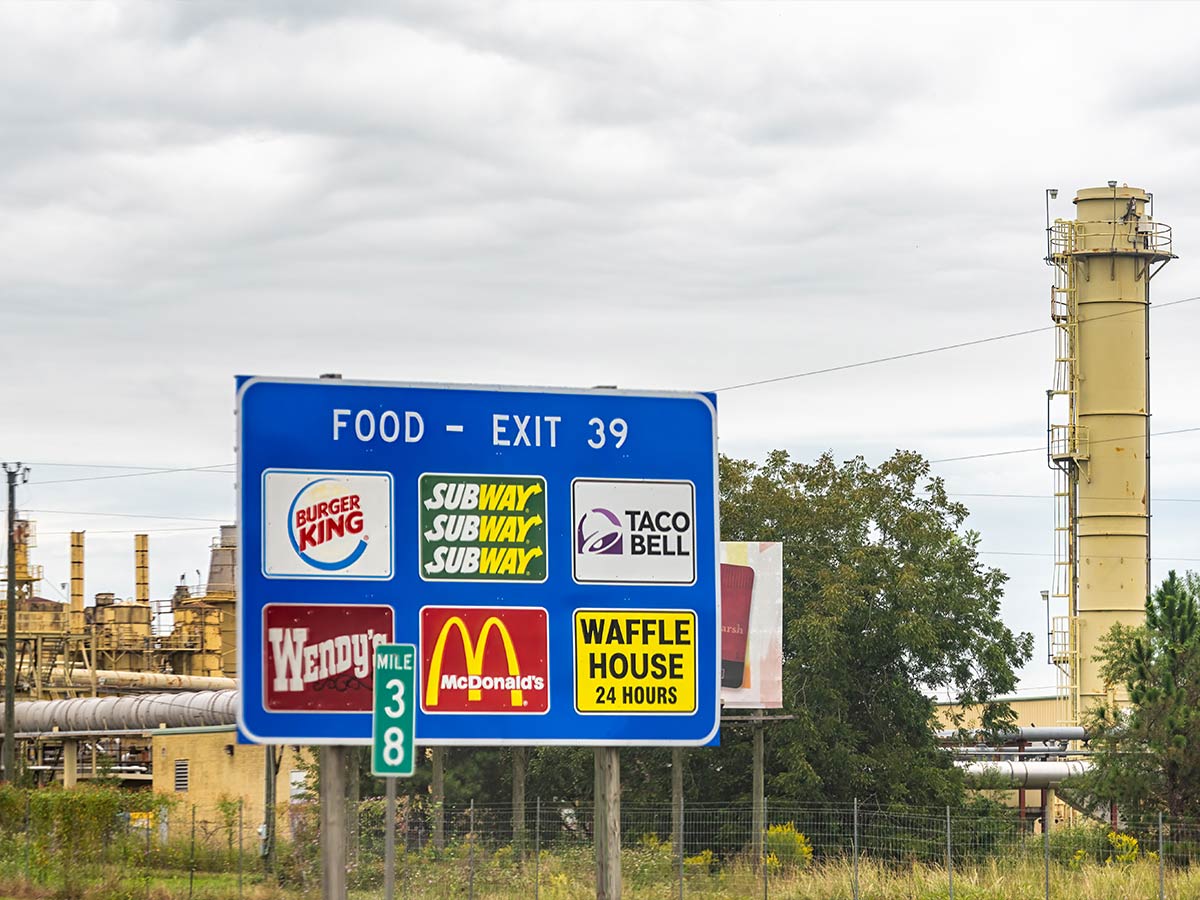
Georgia’s sprawling cities are filled with endless highways, strip malls, and congested streets. The mix of overdevelopment and inconsistent planning makes it hard to find spots with real charm. Many areas feel crowded and visually unappealing.
Outside the cities, Georgia’s landscape doesn’t shine much either. The flat, repetitive countryside lacks variety, and industrial zones dot the scenery. Overdeveloped suburbs and traffic take away from the natural beauty that might be hiding underneath.
Overall Ranking: #7
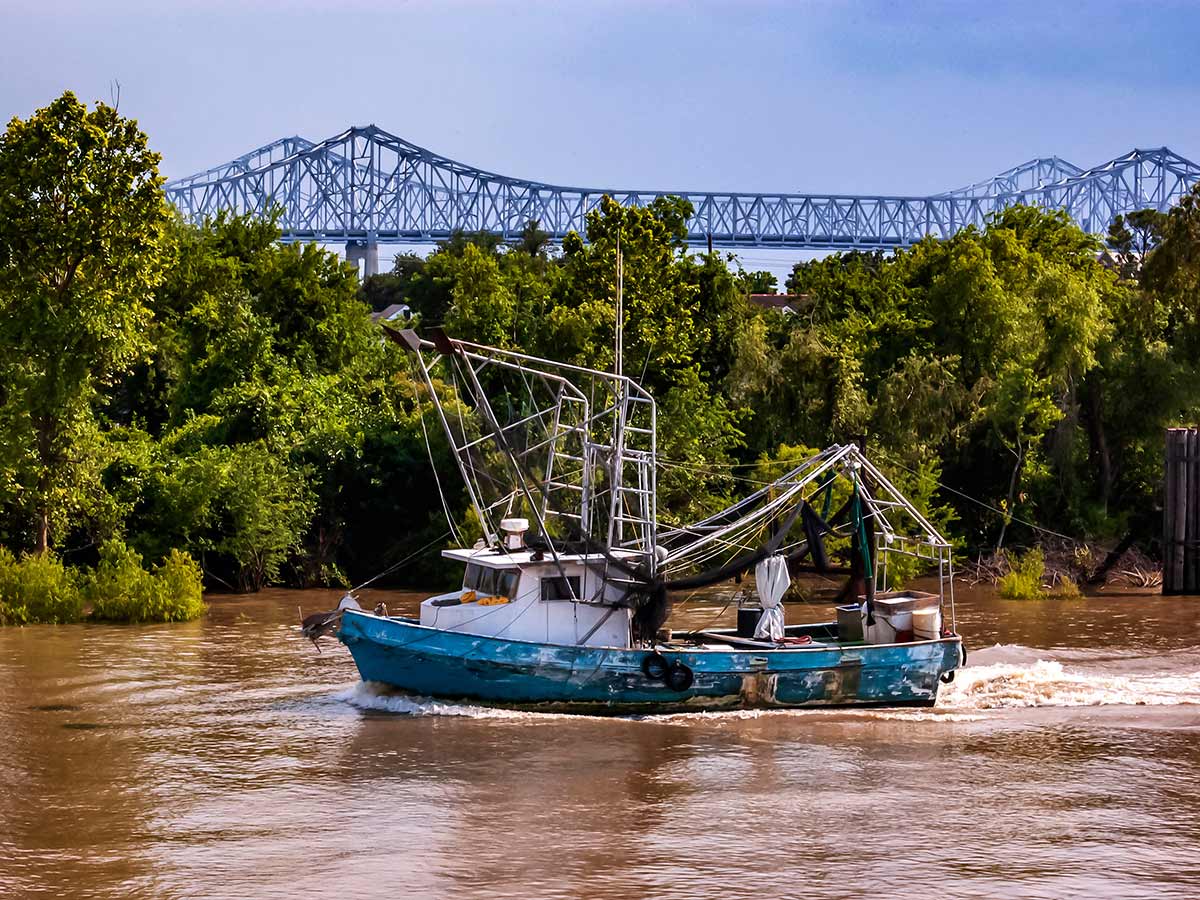
Louisiana may have cultural charm, but nature lovers won’t find much to celebrate. Only 0.10% of its land is dedicated to parks, but not to worry, because there are 37 landfills and nearly 39 tons of trash per person.
The state’s natural landscape struggles, too. Swamps might be unique, but they’re not exactly pretty to everyone. Overdeveloped areas and polluted waterways don’t help, making Louisiana’s scenery feel less impressive and more neglected.
Overall Ranking: #6
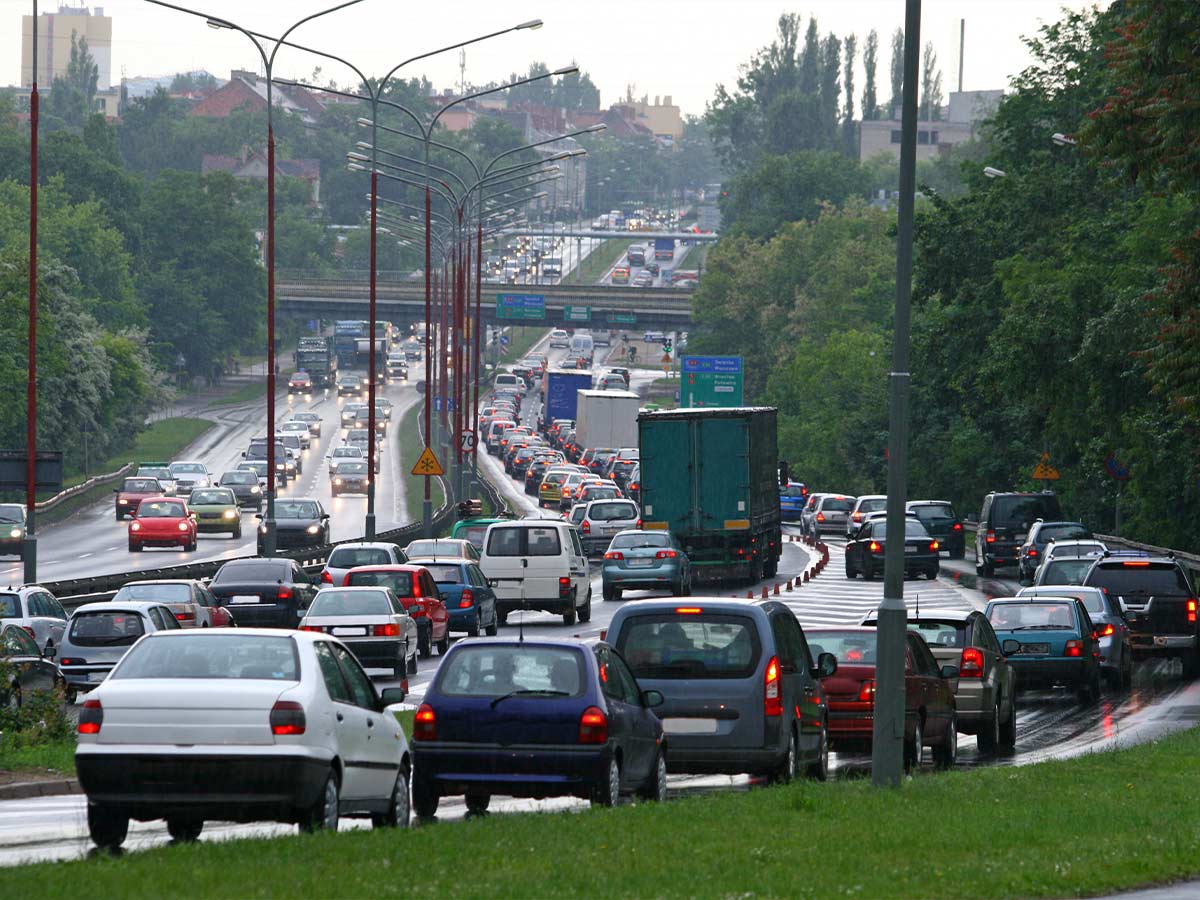
Ohio’s cities are dotted with abandoned buildings, flat landscapes, and heavy traffic. Urban sprawl has taken over, with strip malls and boxy developments replacing any sense of charm or uniqueness. It feels gray and uninspiring.
The natural scenery isn’t much better. Ohio’s flat farmlands stretch for miles without much variety. Parks and green spaces don’t stand out, leaving the state looking dull and unremarkable for anyone driving through.
Overall Ranking: #5
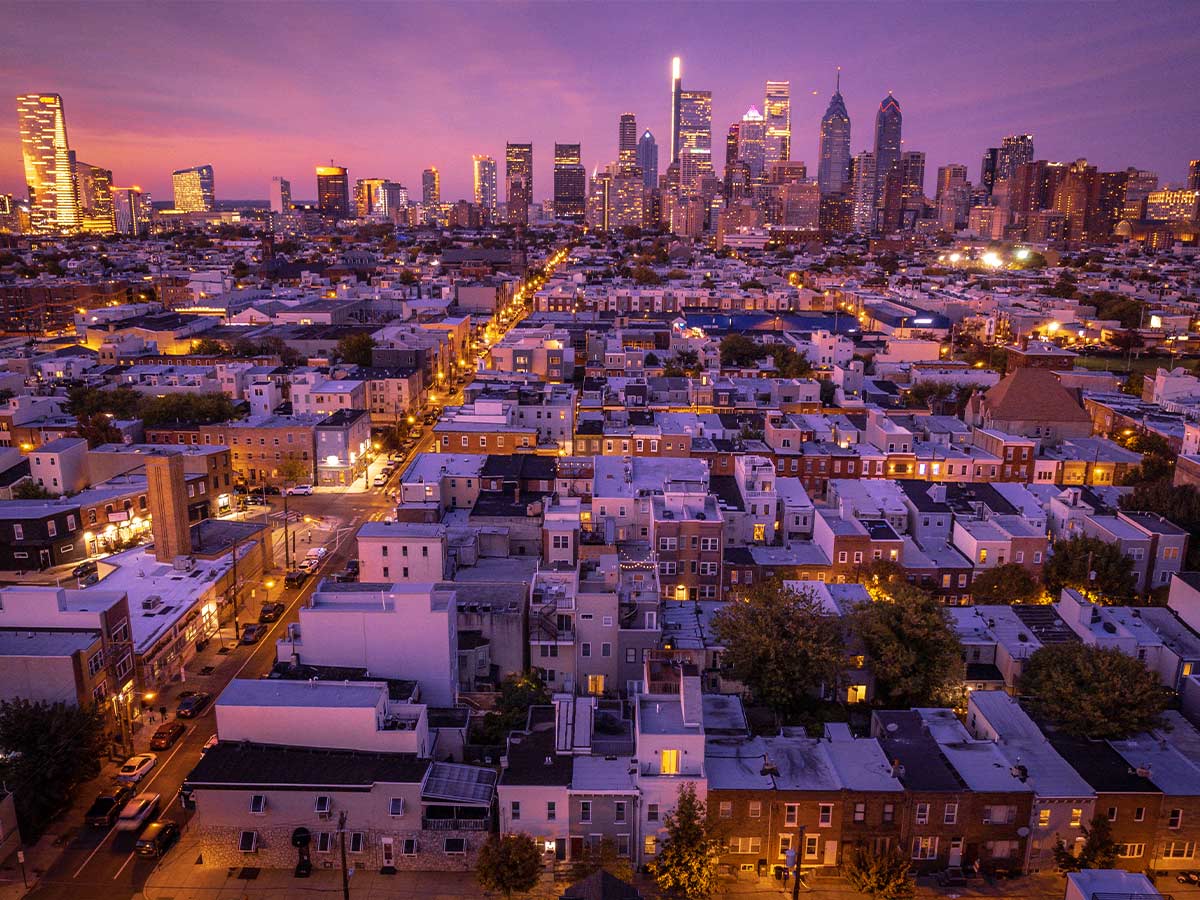
Pennsylvania’s beauty gets buried under a sea of industrial areas and sprawling suburbs. Cities like Pittsburgh and Philadelphia are filled with pollution, old factories, and crowded streets, making it hard to find any eye-catching scenery.
The state’s rural areas don’t add much charm either. Endless stretches of plain farmland and rundown small towns make the landscape feel tired. Pennsylvania’s mix of overdevelopment and bland countryside leaves little to admire.
Overall Ranking: #4
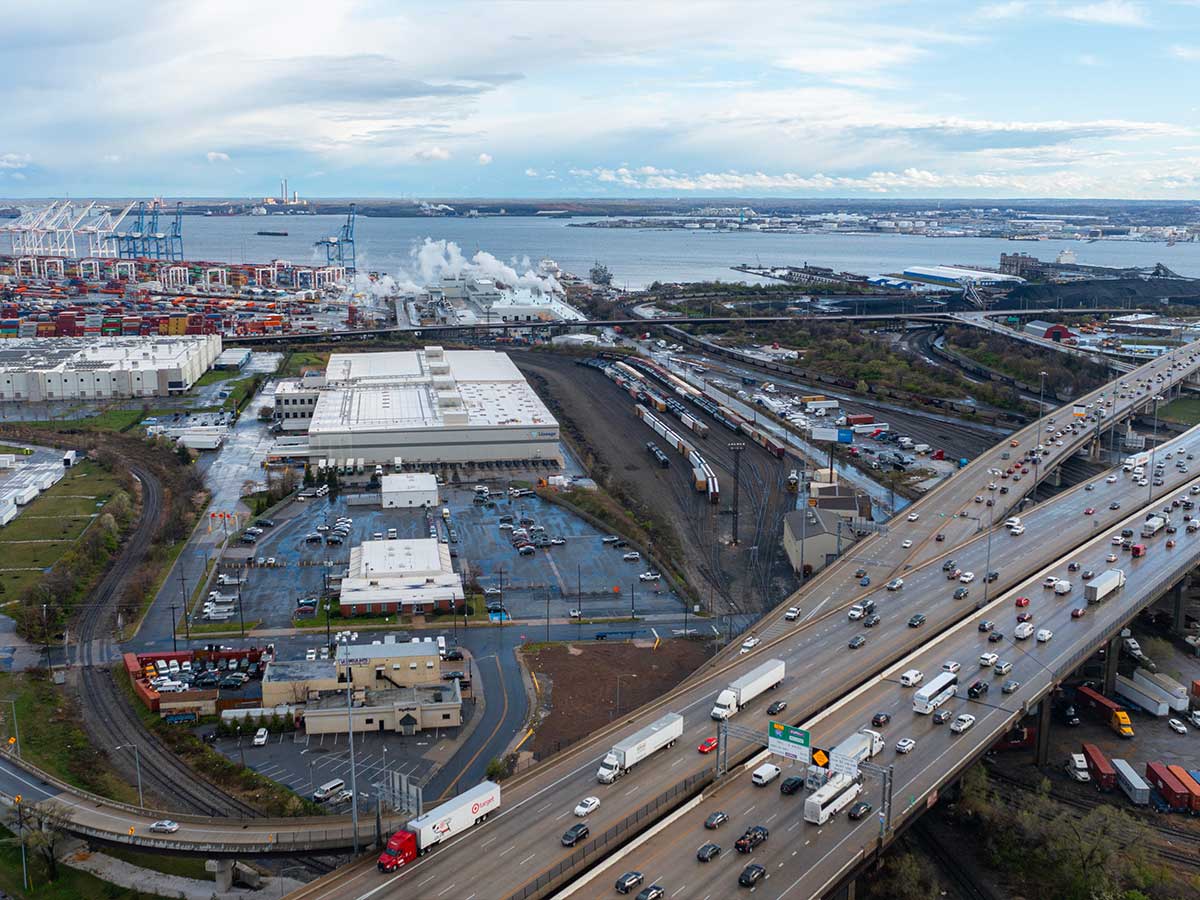
Maryland may rank as the fourth greenest state, but it still lacks natural areas with only 1.4% of its land designated as parkland. There are 46 state parks compared to 48 landfills, which really shows the state's priorities.
Maryland’s cities are packed with traffic, concrete, and cookie-cutter neighborhoods. Urban sprawl has taken over, leaving little room for charm. Industrial areas and crowded strip malls make it hard to find any standout beauty in the state.
Overall Ranking: #3
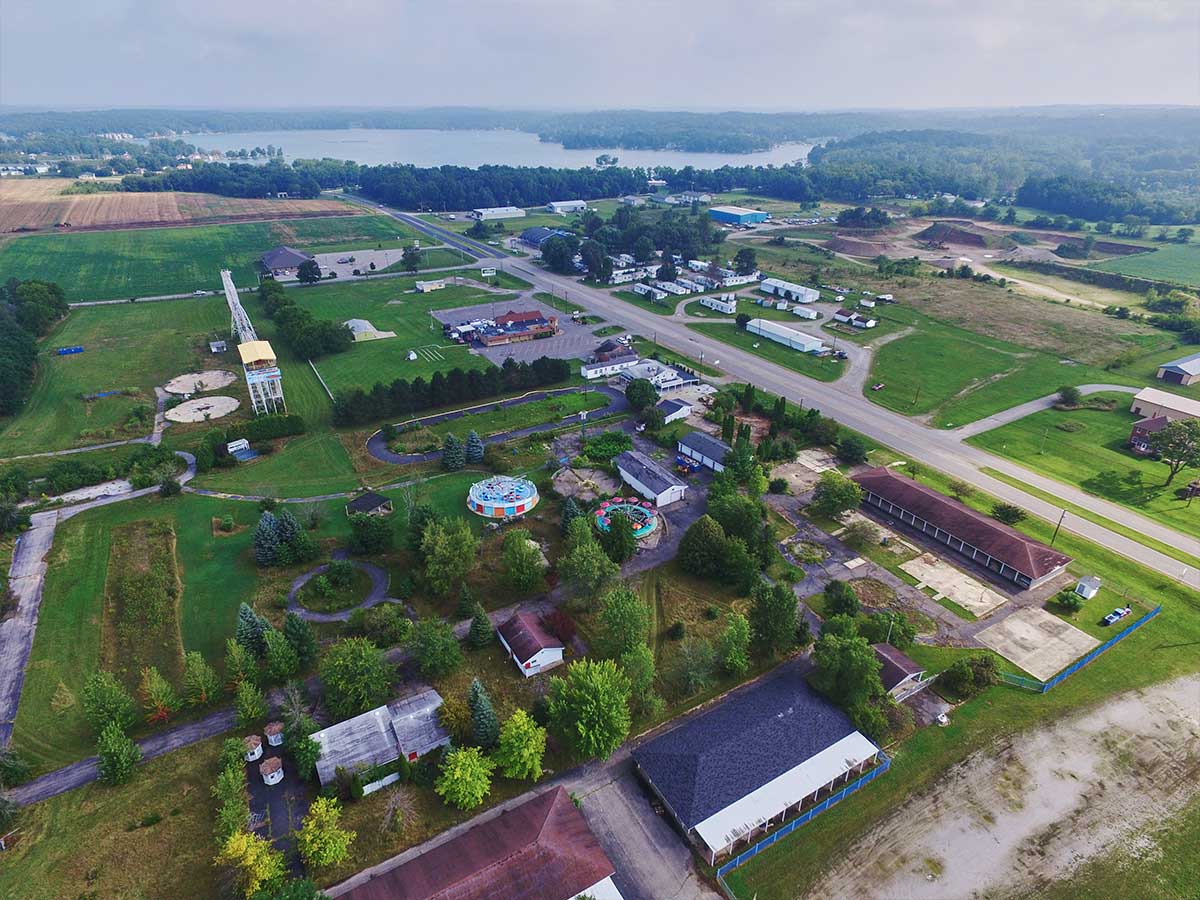
Indiana doesn’t exactly wow with its nature, with less than 1% of the state being parkland. Add in 89 landfills and a green ranking of 39, and it’s not very picture-perfect. No reason everyone calls it a flyover state, there's nothing there worth seeing.
Indiana has miles of flat farmland, but it’s not exactly pretty. Endless fields, broken by old factories and power lines, make the view repetitive and dull. Many towns feel neglected, with rundown buildings and lifeless streets.
Overall Ranking: #2
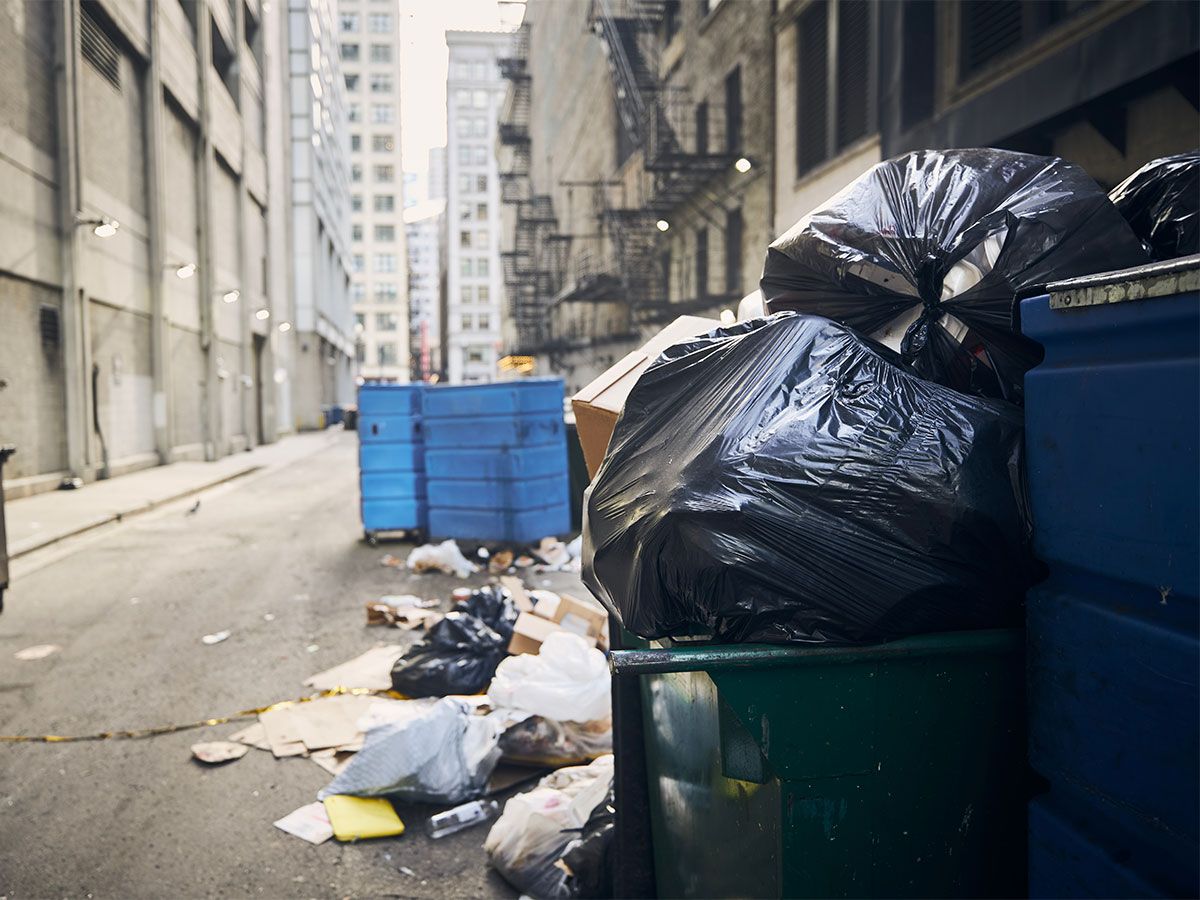
Delaware might have clean beaches, but it’s pretty lackluster otherwise. Only 1.69% of its land is set aside for parks, giving nature lovers slim pickings. With four landfills and 33 tons of trash per person, the state’s green spaces don't exactly shine.
Being the second smallest state doesn’t make Delaware any prettier. Its limited parkland means fewer spots to enjoy the outdoors. Pair that with its trash problem, and you’ve got a state many would describe as flat-out boring.
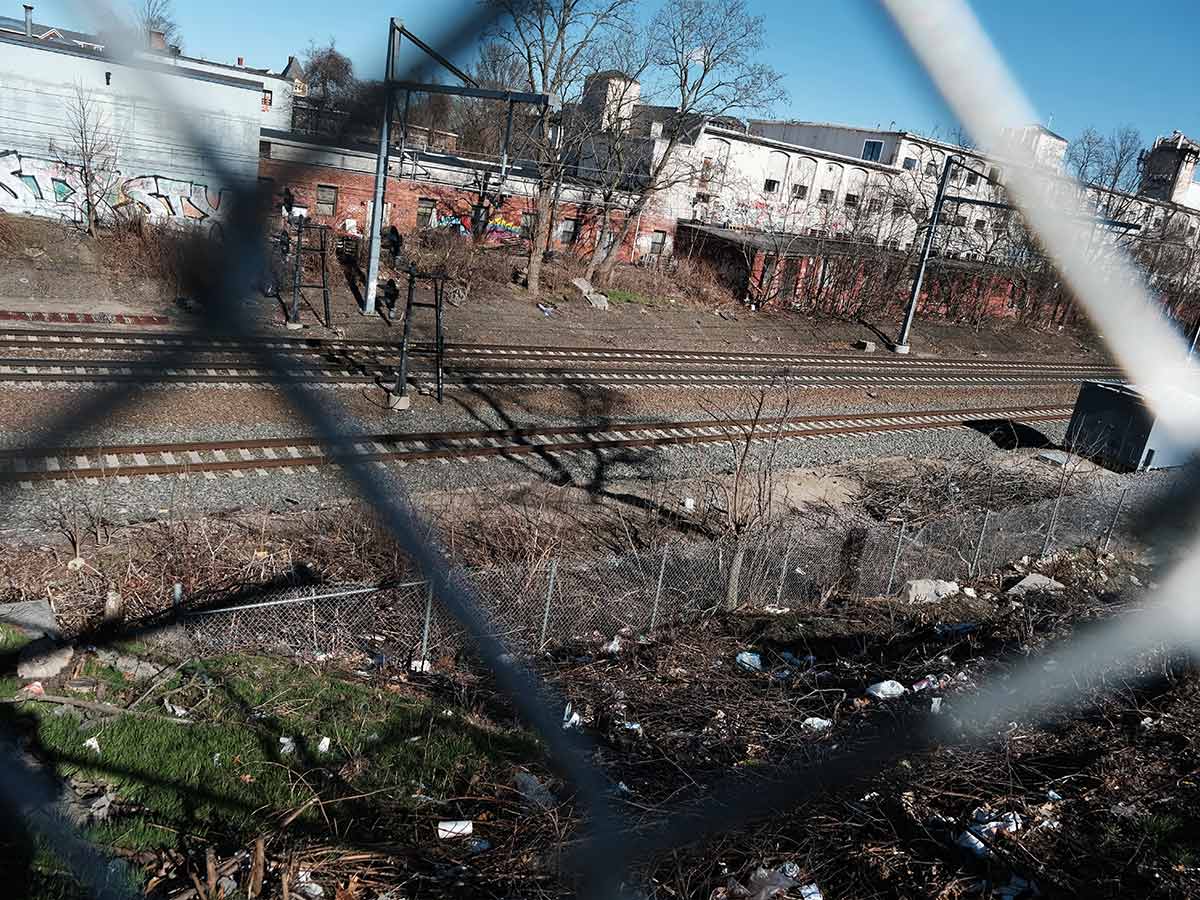
Overall Ranking: #1 Ugliest State
Rhode Island might be the smallest state, but it’s packed with a lot of concrete and crowded spaces. The cities are crammed, and the charm is often lost in the mess of highways and strip malls.
Only 0.84% of its land is dedicated to parks, leaving barely any green spaces to enjoy. For a state this tiny, having five landfills and a staggering 37 tons of trash per person makes its environmental situation downright messy.